

We often think of the Gilded Age in terms of grandeur: the marble staircases, chandelier-lit…
Pearls, Petticoats and Protest: The Gilded Heiresses Turned Suffragists
There they were, gleaming pearls at their throats, petticoats sweeping the marbled floors, and protest pamphlets tucked discreetly in their reticules (or so one would imagine).
Indeed, these were not your typical militant suffragettes. These were the Gilded Age’s elite: heiresses and peeresses who stunned society by swapping soirées for speeches, chintz for campaigning, and glittering mansions for names on petitions.
It might sound like a delightful scandal, a Vanderbilt hostess leading White House pickets or an American-born Viscountess heckling in the House of Commons, but for women like Alva Belmont and Nancy Astor, it was no eccentric hobby. They weren’t playing at politics; they were answering a call to champion women’s rights.
Their platforms were enormous, their influence vast, and if that meant ruffling a few feathers at the country club or raising an eyebrow at the opera, well, they simply raised their voices louder.
Alva Belmont: From society hostess to suffrage powerhouse
Alva Erskine Smith was born into southern gentility in 1853, but she made her mark in New York’s cutthroat social scene by marrying into the Vanderbilt dynasty. Her famously extravagant costume ball of 1883, hosted to assert the Vanderbilts’ place among New York’s elite, remains legendary. But beneath the diamonds and damask lurked a sharp political mind.
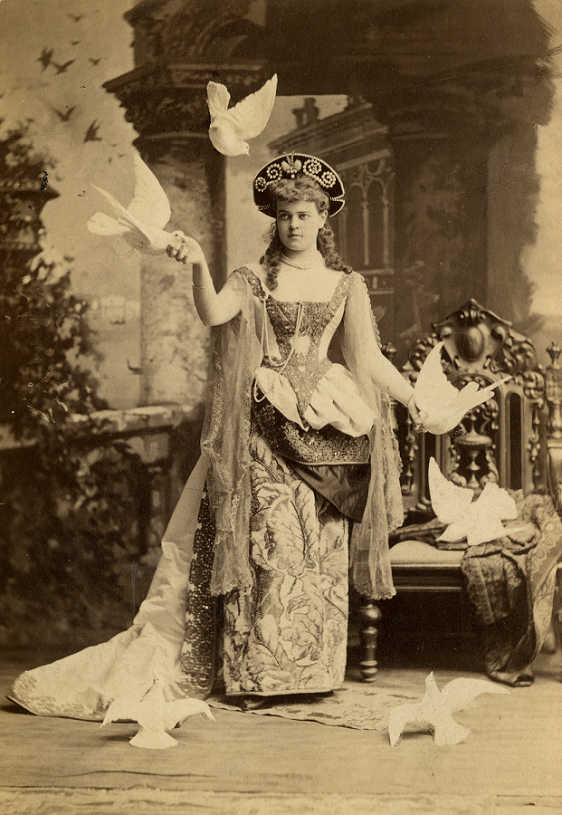
Source: Photograph of Alva Vanderbilt dressed as a Venetian Princess at her famous 1883 ball. Via Women & The American Story.
After divorcing an often unfaithful William K. Vanderbilt in 1895 (a rare and scandalous move in high society), and receiving a hefty settlement figure of over $10 million for the trouble, she married Oliver Belmont, an old friend of her ex-husband’s (very juicy), whose death in 1908 left her both widowed and very wealthy.
Now with the freedom and finances to act as she pleased, Alva became a fervent supporter of women’s suffrage after hearing a lecture by Ida Husted Harper. She even hosted the first suffrage conference in Newport at her own Marble House in 1909. An event that raised eyebrows as well as awareness.
In 1916, she co-founded the National Woman’s Party (NWP) alongside Alice Paul and Lucy Burns, and was soon funding their most radical initiatives. That included the first picketing of the White House in 1917, where the women were arrested for “obstructing traffic” and imprisoned when they refused to settle their fines. Alva paid for their bail and legal fees out of pocket.
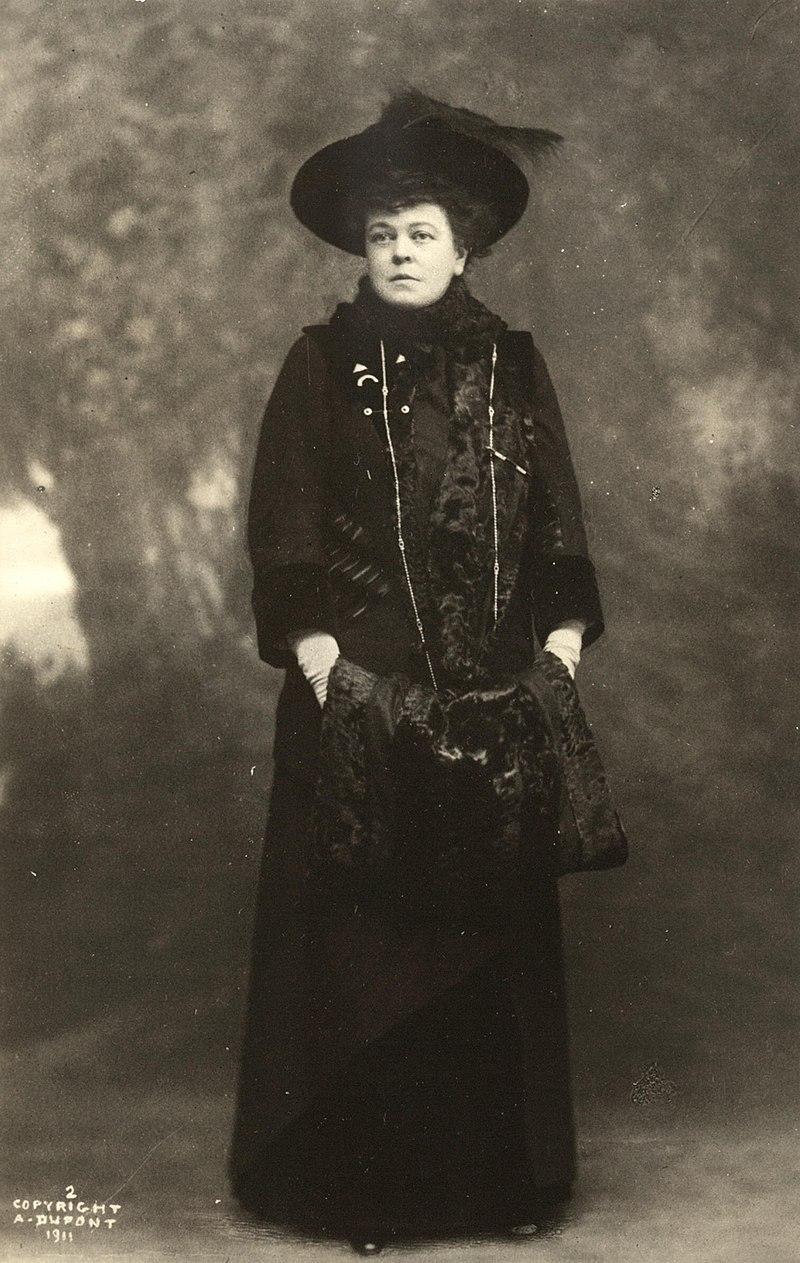
Source: Photograph of Alva Belmont in 1911. Via Wikipedia.
Nancy Astor: A dollar princess in the House of Commons
Nancy Langhorne was born in Virginia in 1879 and arrived in Britain by way of a failed first marriage and a sharp wit that would serve her well in political circles. In 1906, she married Waldorf Astor, an American-born British aristocrat, and took up residence at Cliveden, a grand country estate that also served as a political salon.
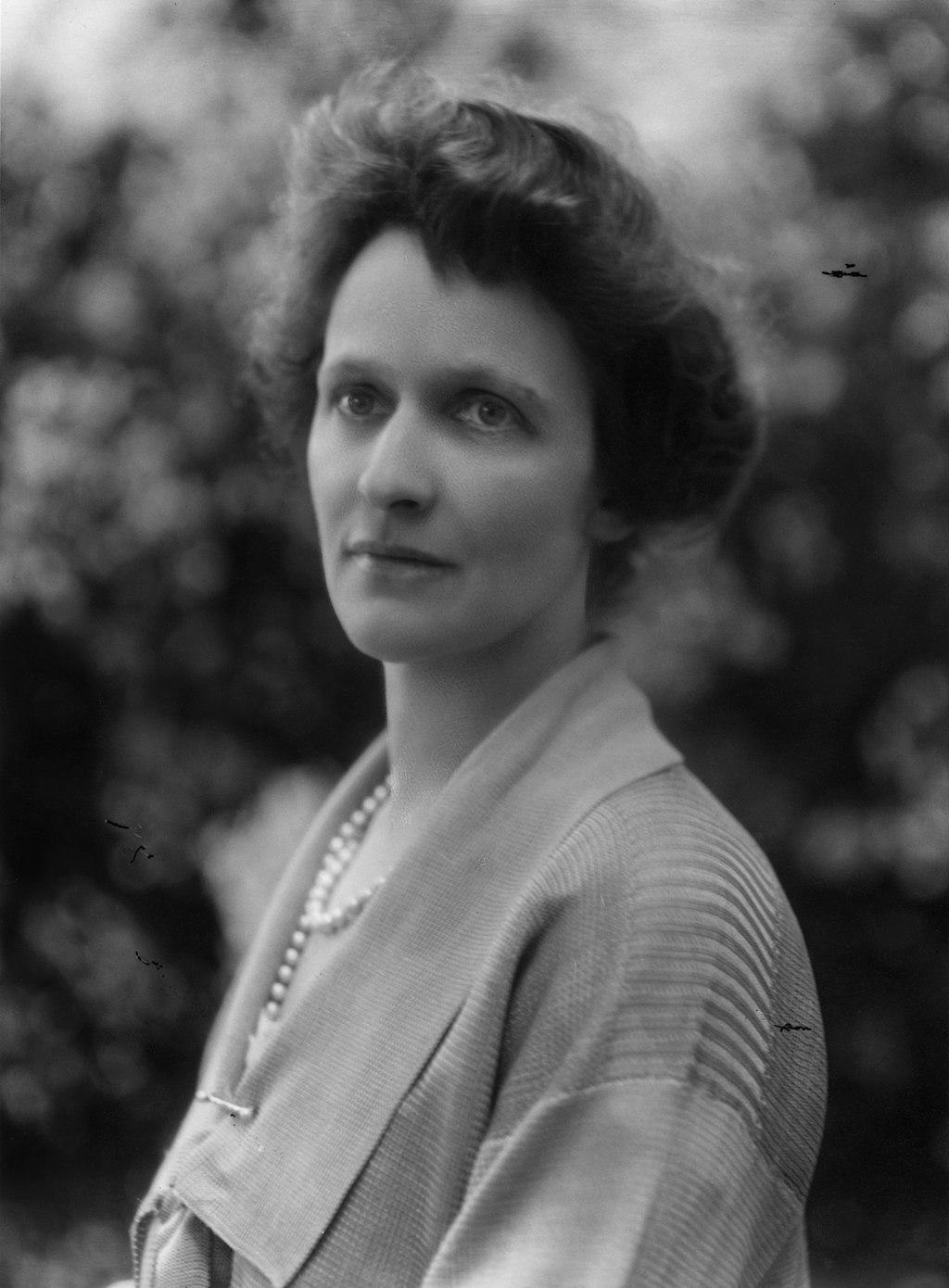
Source: Photograph of Nancy Astor in 1923. Via Wikipedia.
Nancy trod a different path towards women’s suffrage. Unlike the protest-led activism of Alva Belmont, she worked within the system. When Waldorf inherited his father’s peerage and was elevated to the House of Lords, Nancy stood in his vacated constituency seat, becoming the second woman elected to the British House of Commons and the first to take her seat in parliament in 1919. A momentous achievement that symbolised real progress for women in power.
While she wasn’t a suffragette in the traditional sense, and while she often clashed with the movement’s more radical wing, her mere presence was revolutionary. She campaigned on temperance, education reform, and women’s welfare, and she gave over 1,400 speeches before retiring in 1945.
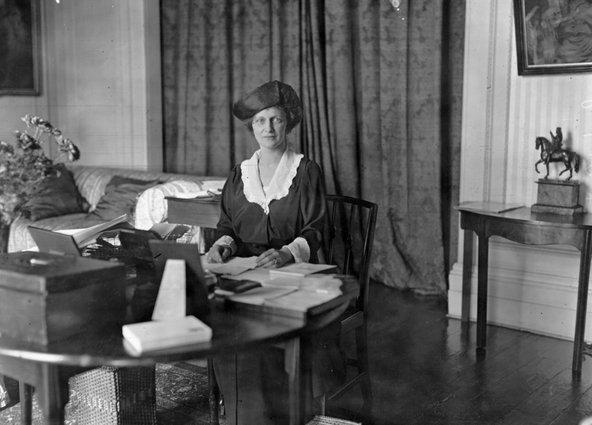
Source: Photograph of Nancy Astor as a sitting member of parliament. Via The British Academy.
But, despite the leaps she made for women, Nancy was an incredibly controversial figure. She was staunchly anti-Catholic, anti-Communist and was dogged by accusations of antisemitism and sympathetic views towards Nazism. In fact, her retirement in 1945 was at the persuasion of her peers, having become a political liability due to her contentious beliefs.
Never meet your heroes, huh?
Lady Rhondda, Emmeline Pethick-Lawrence and other gilded allies
Not every suffrage supporter was as headline-grabbing as Belmont or Astor, but plenty of upper-class women quietly (or not so quietly) threw their hats into the ring.
Take Margaret Haig Thomas, later Viscountess Rhondda, the daughter of a Welsh industrialist. Born into privilege, she used it to advance radical politics, joining the Women’s Social and Political Union (WSPU), enduring arrest, and even going on hunger strike. Her later founding of Time and Tide, a feminist magazine, gave voice to causes beyond the ballot.
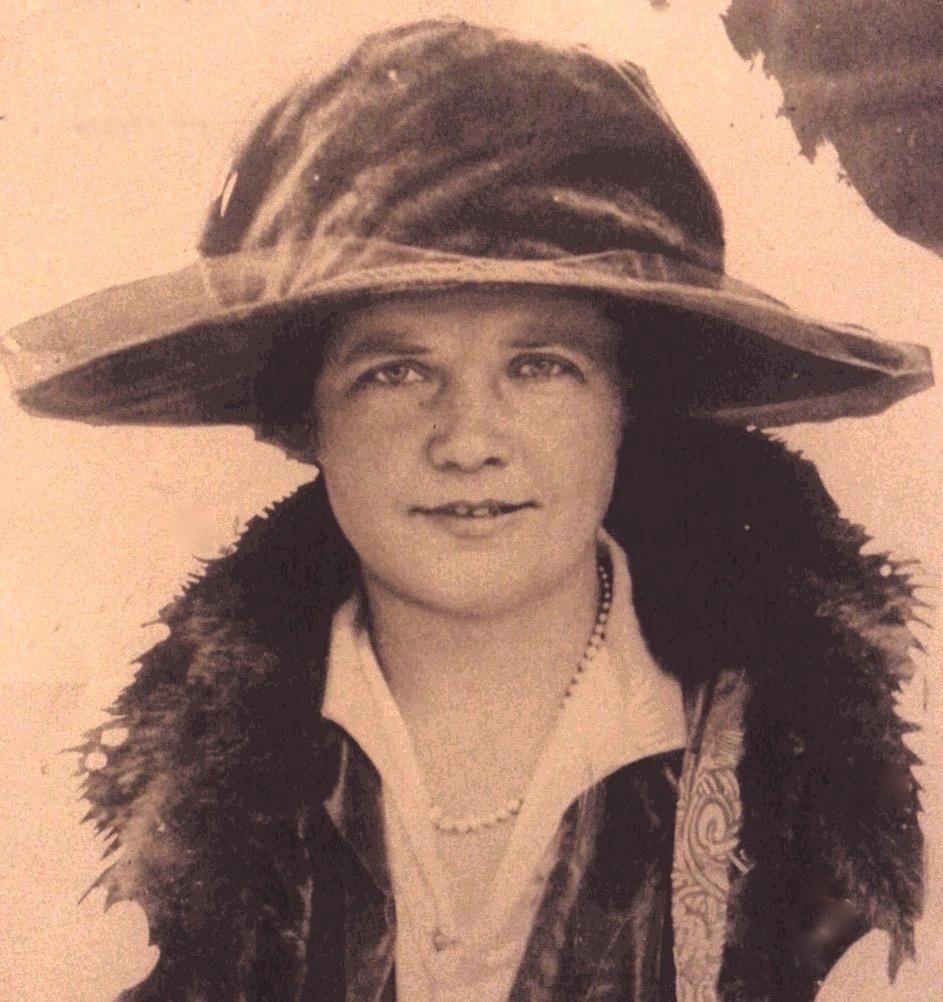
Source: Portrait photo of Viscountess Rhondda c. 1915. Via Wikipedia.
Emmeline Pethick-Lawrence, while not a titled aristocrat, certainly moved in elite circles. Alongside her husband, Frederick, she helped bankroll the suffrage movement and co-edited the WSPU’s Votes for Women. Her elegant dress and refined upbringing lent the movement a genteel face, even as she was jailed for marching on parliament.
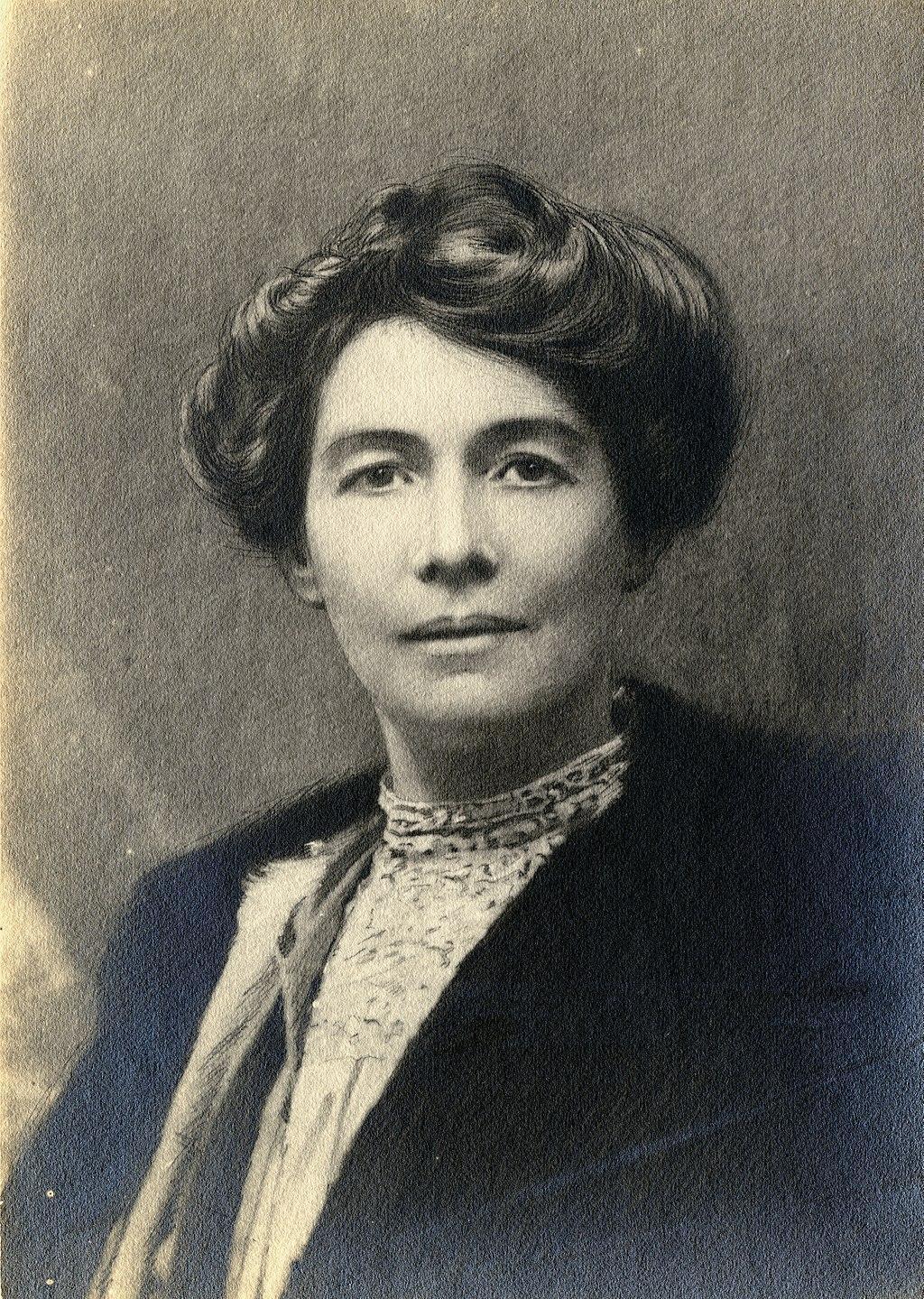
Source: Photo of Emmeline Pethick-Lawrence c. 1910. Via Wikipedia.
When the drawing room became a war room
Many of these women used their homes as both havens and headquarters. In both the US and the UK, salons once reserved for gossip and music became centres of pamphlet-printing and planning.
Alva Belmont’s Marble House was not only a monument to Gilded Age extravagance, but it was also a stage for fiery feminist speeches. Likewise, Cliveden, Nancy Astor’s estate, regularly hosted politicians and public figures, including suffrage campaigners.
These gatherings weren’t always overtly political. Tea was still served. Proper etiquette followed. But beneath the surface lay a growing resolve: a women’s revolution was quietly brewing.
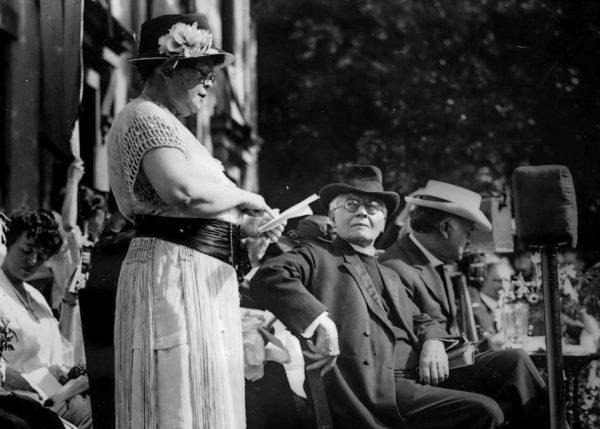
Source: Alva Belmont speaking in Washington, D.C. Via The Encyclopedia of Alabama.
Transatlantic tactics
Despite the distance, ideas flowed like wine between the disenfranchised women of Britain and America.
British suffragettes, such as Emmeline Pankhurst, visited the US on lecture tours, while American women studied British militant tactics with interest, and occasionally alarm.
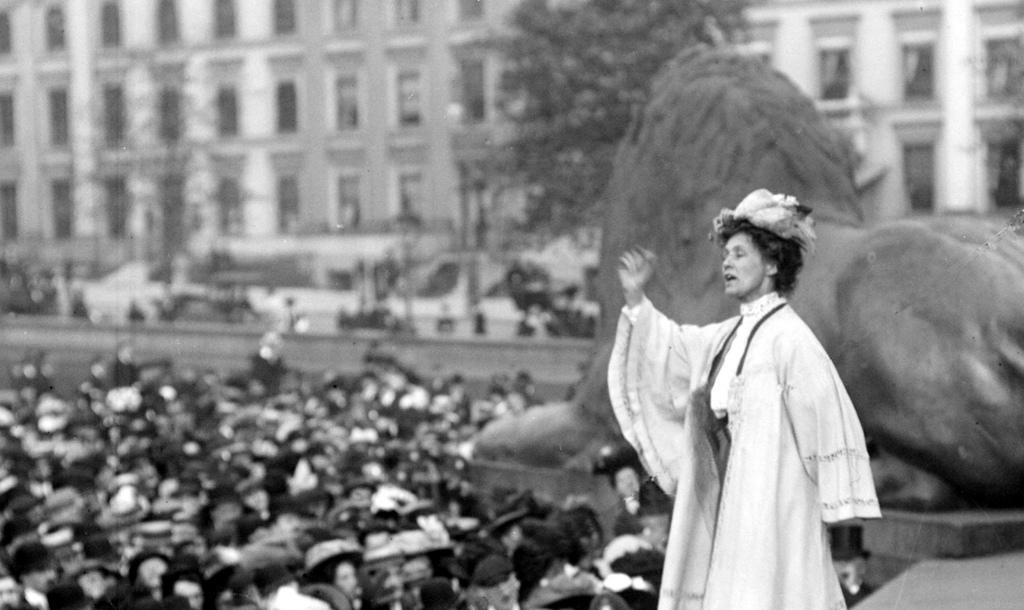
Source: Emmeline Pankhurst giving a speech in 1908. Via Each Other.
Alva Belmont, inspired by the actions of the WSPU, adopted more confrontational tactics in her own American campaigns. The White House pickets she funded echoed the visual theatre of British protests. Even the colours, purple, white, and gold, used by the National Woman’s Party, nodded to the palette of the British movement.
Women on both sides of the Atlantic borrowed strategies, slogans, and even sashes.
Memoirs and legacies
When the dust settled and the votes were won, these women turned to writing, mentoring and, in some cases, retirement.
Nancy Astor’s 1953 memoir My Two Countries framed her experience as a woman balancing American roots with British responsibilities. Alva Belmont died in 1933, but her legacy endured through the National Woman’s Party, which played a pivotal role in advocating for the Equal Rights Amendment in the United States.
Conclusion: Petticoats with purpose
What comes to mind when you think of the Gilded Age and the decades that closely followed?
For many, it’s gossiping ladies in the latest Paris fashions, fresh-faced debutantes, and obedient and demure brides. But picture this: those very same women could have been printing pamphlets by candlelight, organising pickets and refusing to eat until women could vote. So, pearls and petticoats, yes—but protest, too. These women proved that even in the most gilded of cages, some birds still sang for freedom.
